Marcus and his family arrive at the neurology clinic, greeted by Dr. Rehim
Patient Guide · Emory Epilepsy

Your First Seizure Doctor Visit

By Bona Kim, MA, CMI & Erafat D. Rehim, MD

01 / The Day Arrives

The day arrives
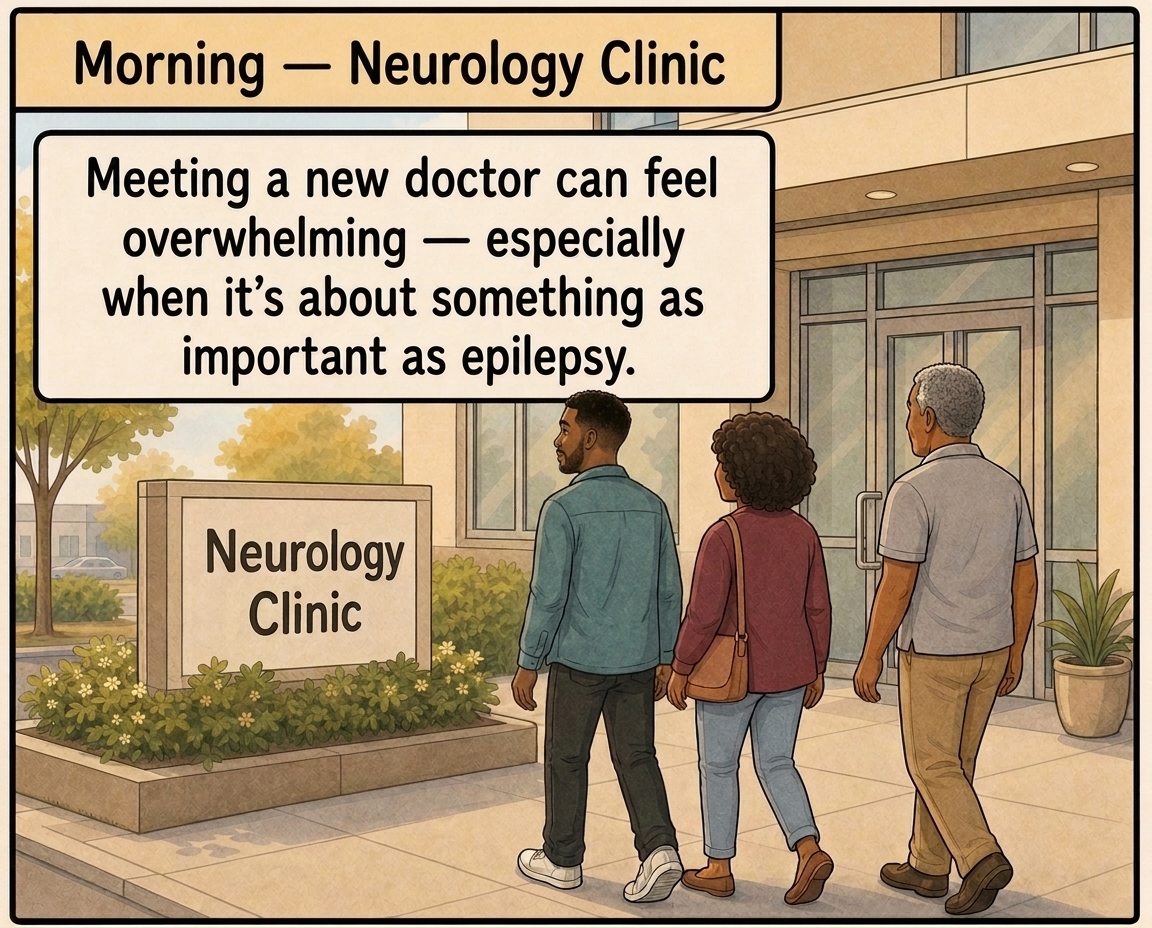
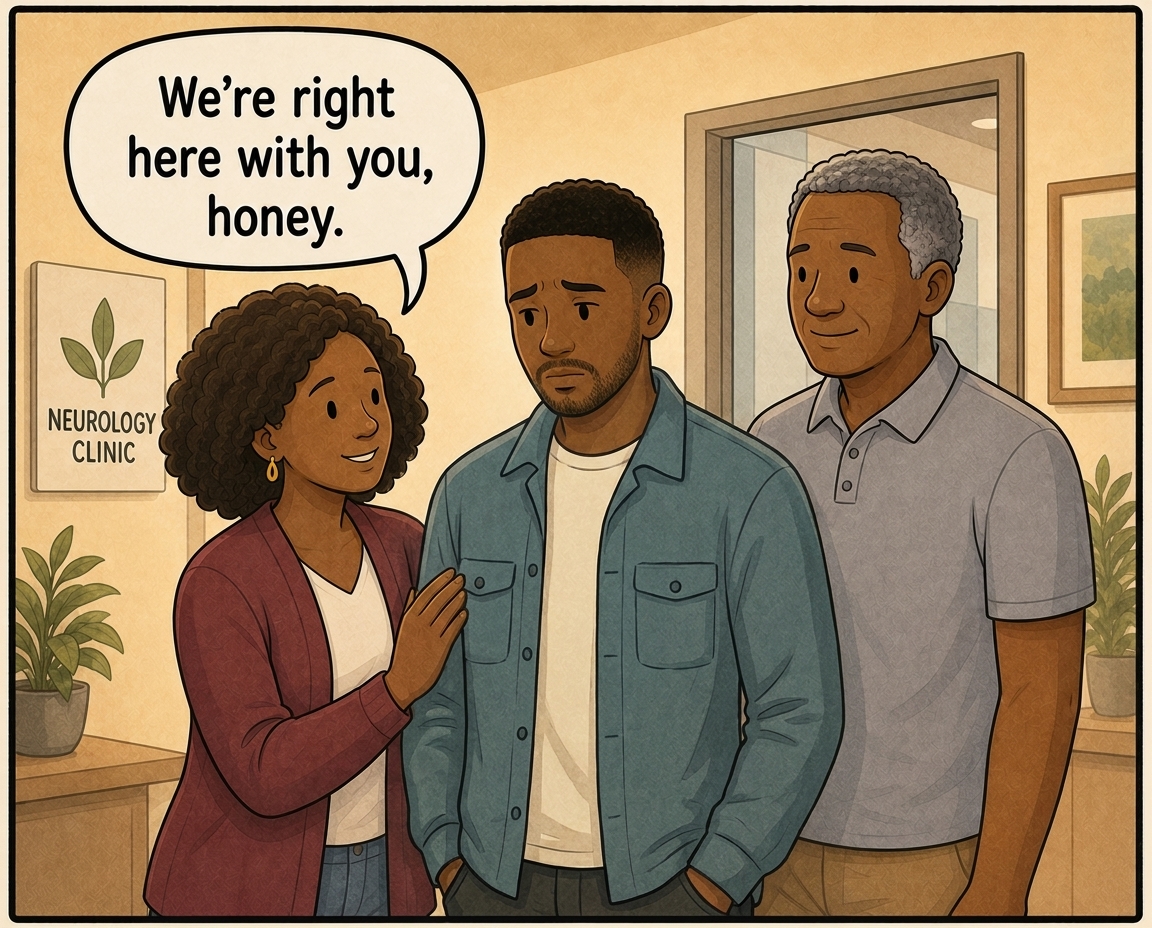
Marcus and his parents arrive at the neurology clinic on the morning of the visit
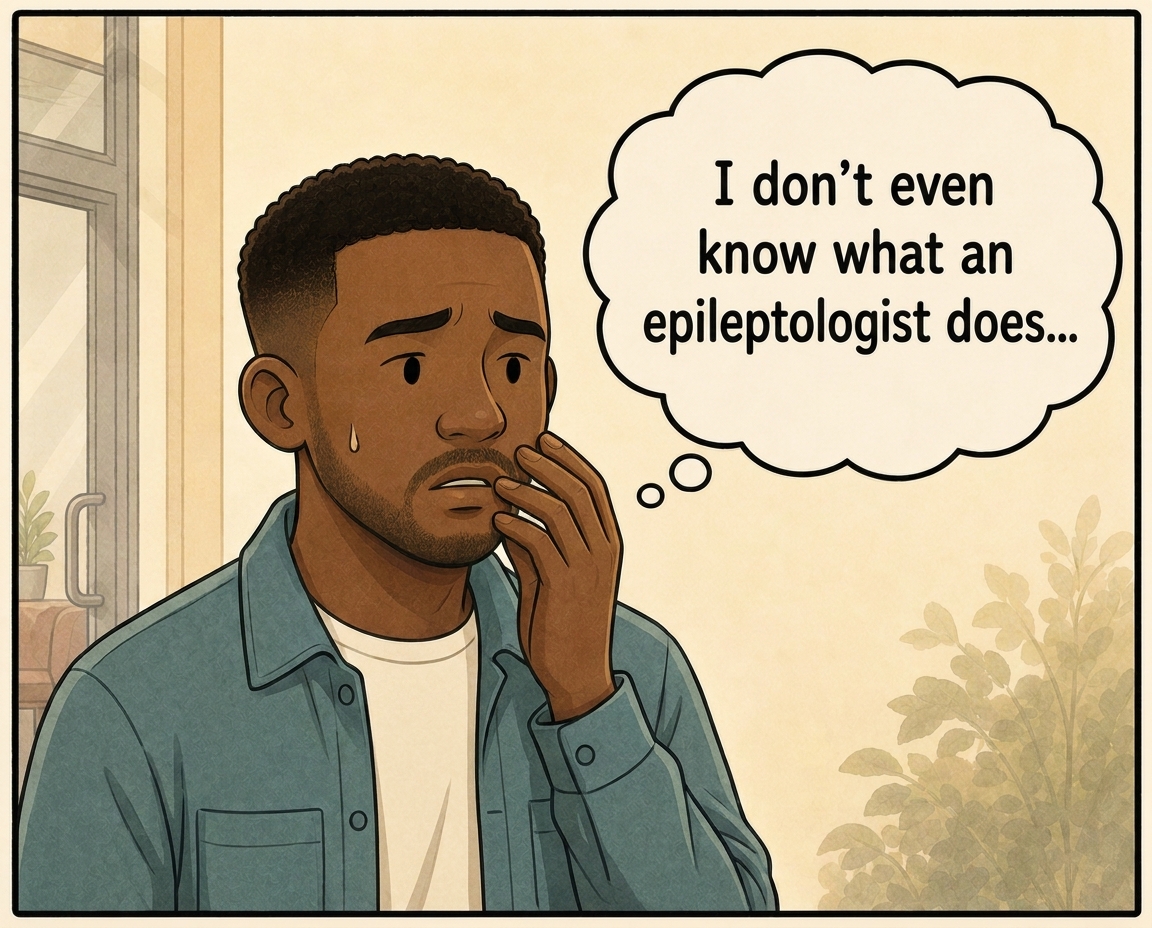
Marcus worries about what an epileptologist does and what will happen during the appointment
Marcus's parents reassure him that they are right there with him
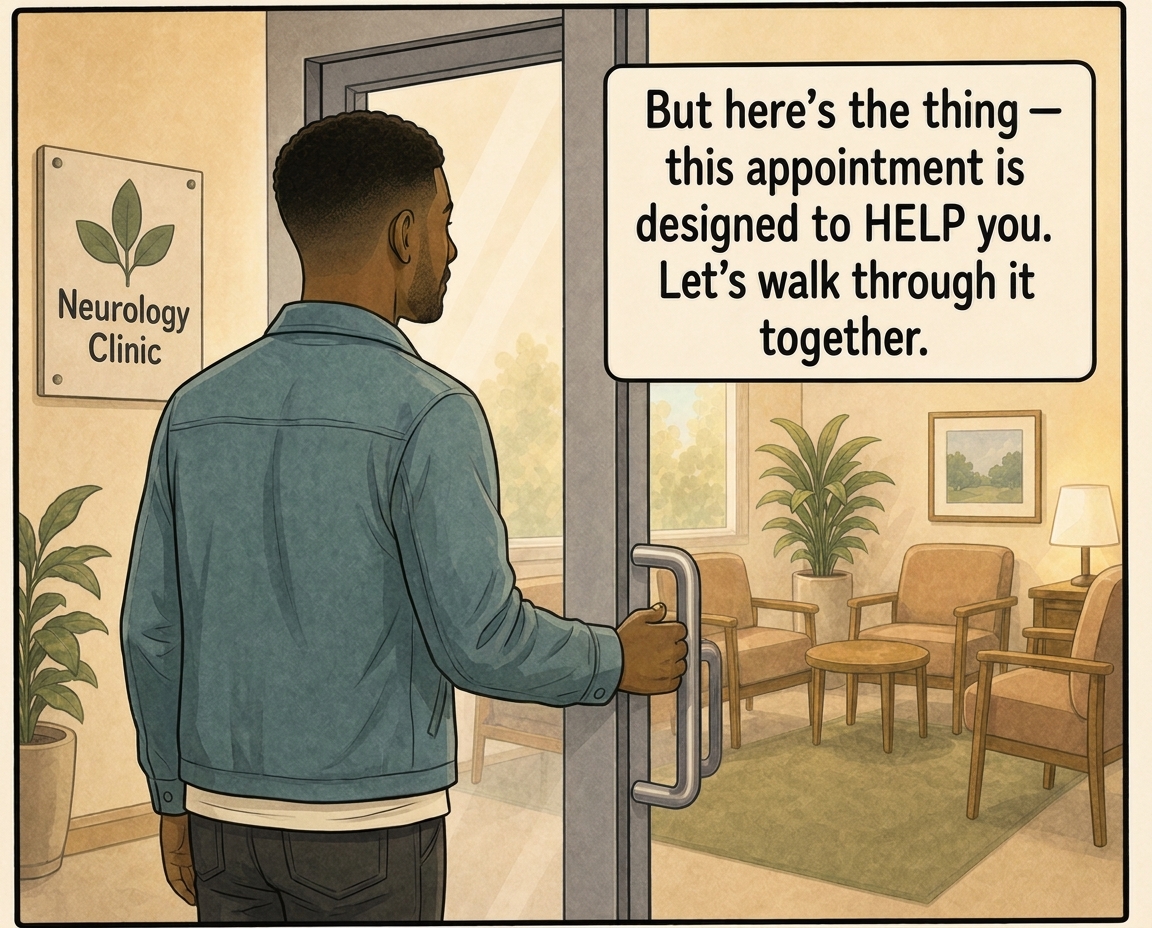
Marcus opens the door into the waiting room as the story explains that the appointment is designed to help
02 / Checking In

Checking in

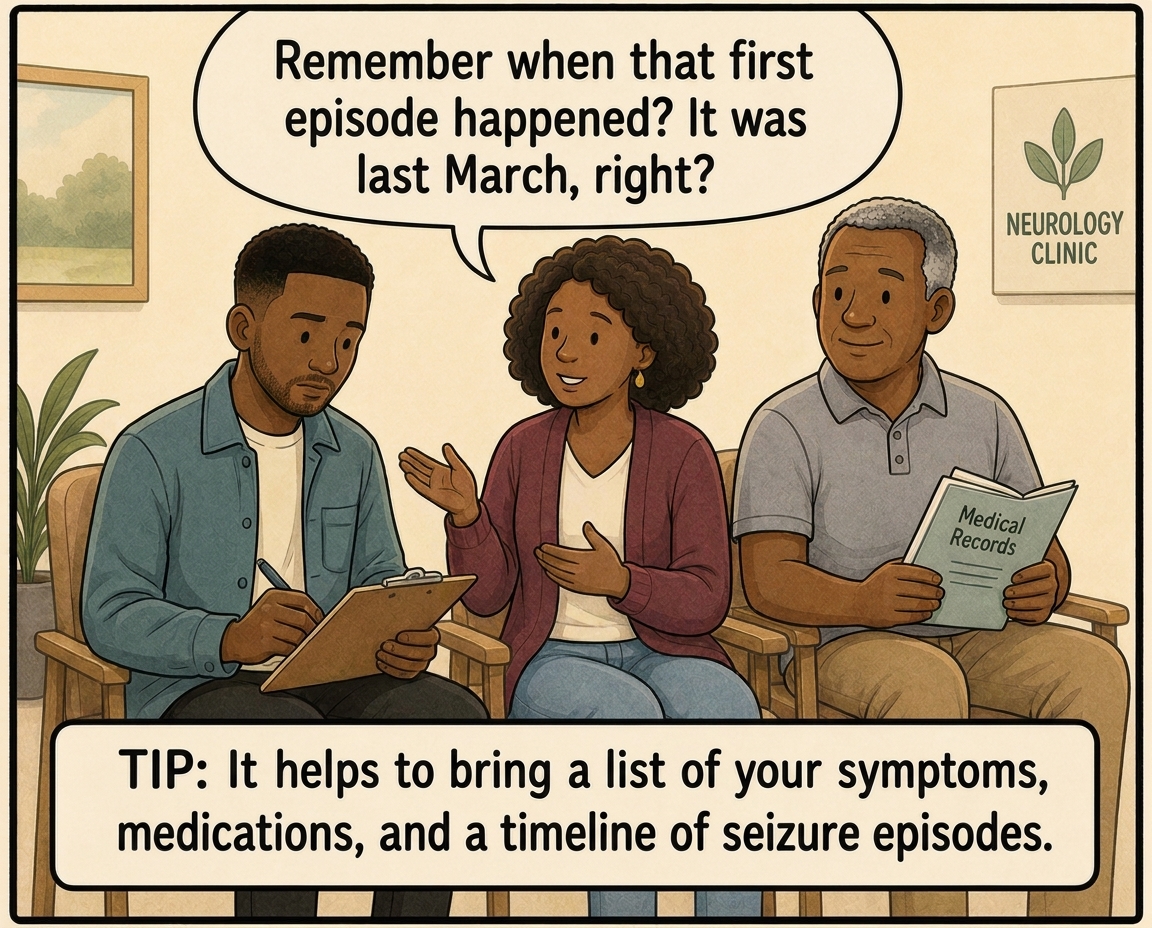
Marcus and his family talk through when the first episode happened while filling out forms
03 / While You Wait

While you wait

Gather your details

This is a good moment to gather the details you want to share.

  • what happened before, during, and after the event
  • medicines you take now
  • questions you want answered
  • a family member or friend who saw what happened
04 / Meet The Doctor

Meet your seizure doctor

An epileptologist is a neurologist who specializes in seizures. The visit is a conversation, not a test you can fail.
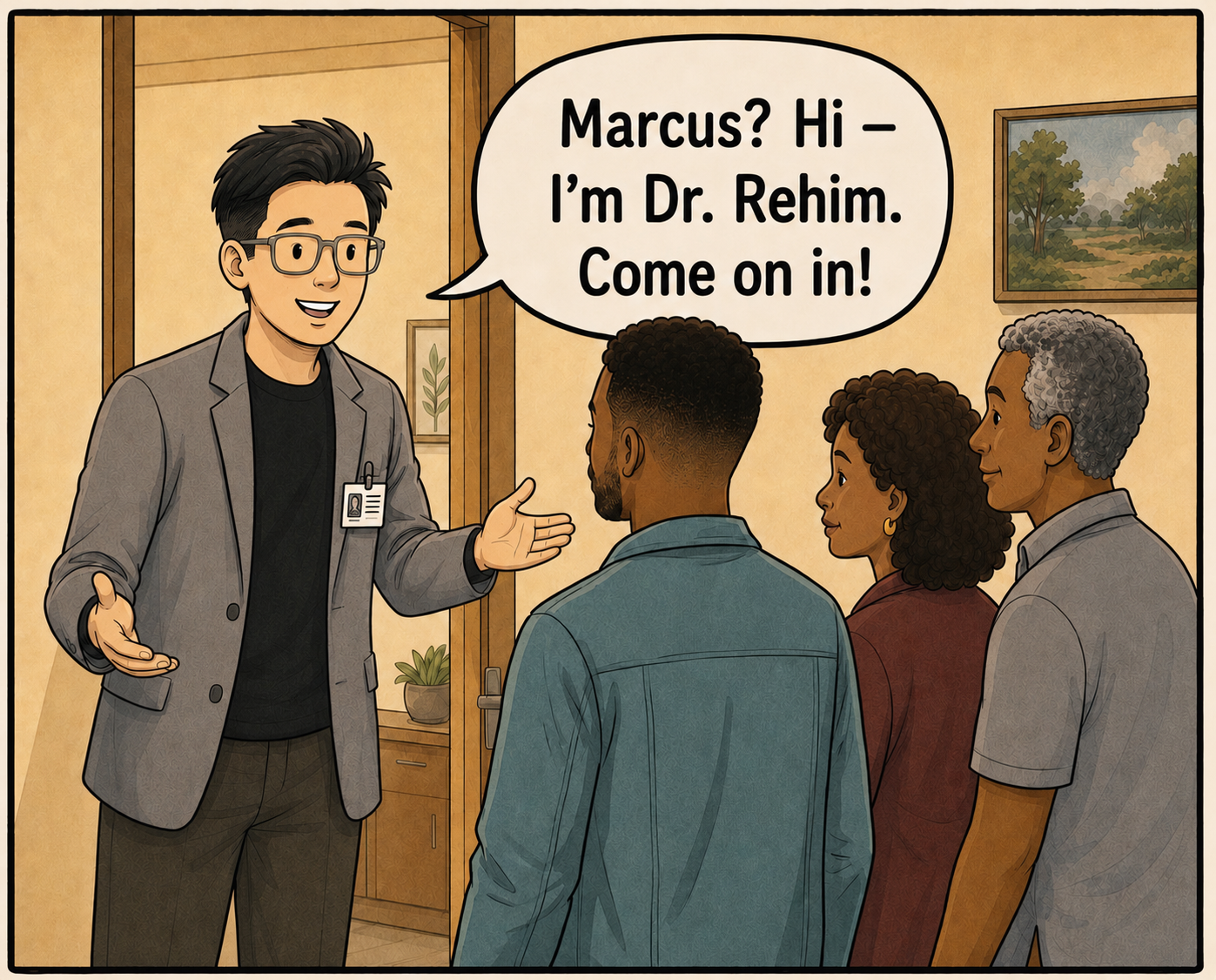
Dr. Rehim welcomes Marcus and his parents into the consultation room
05 / Your Story

Your story matters
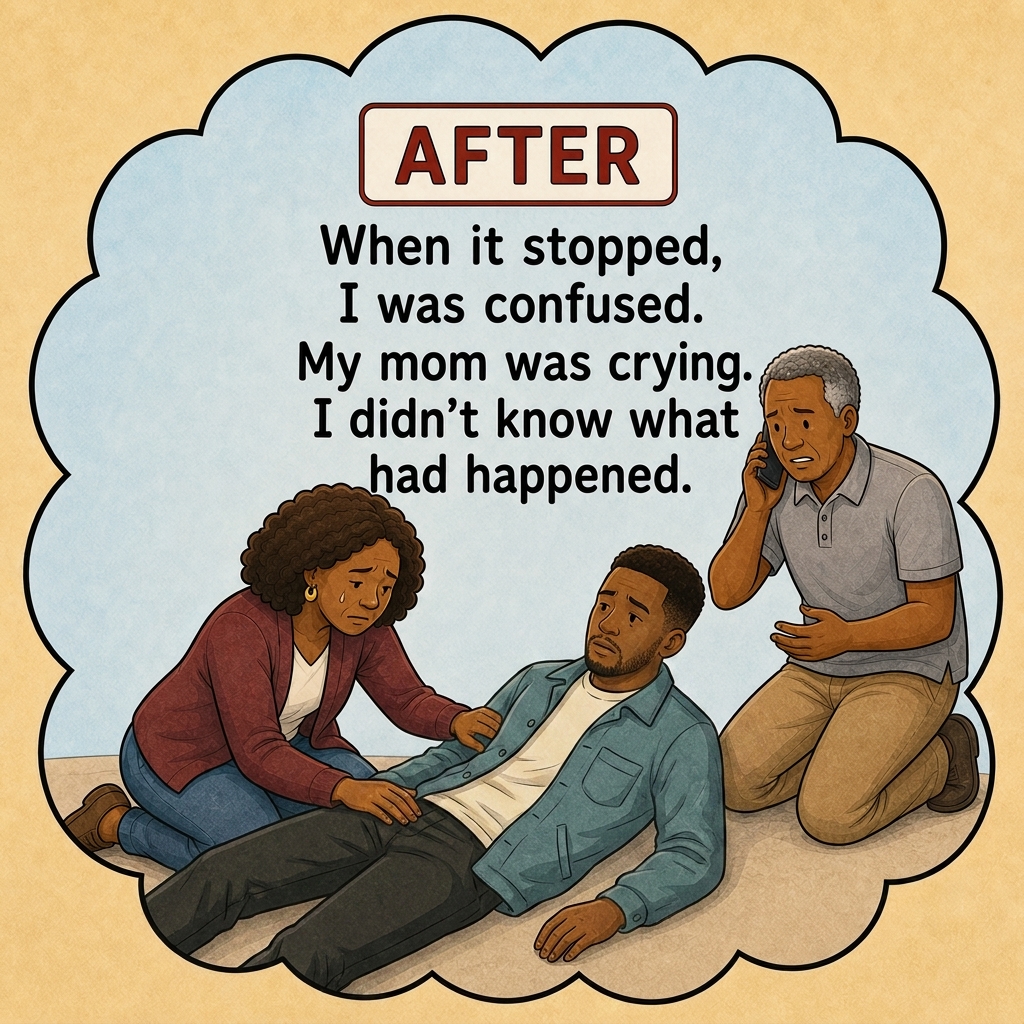
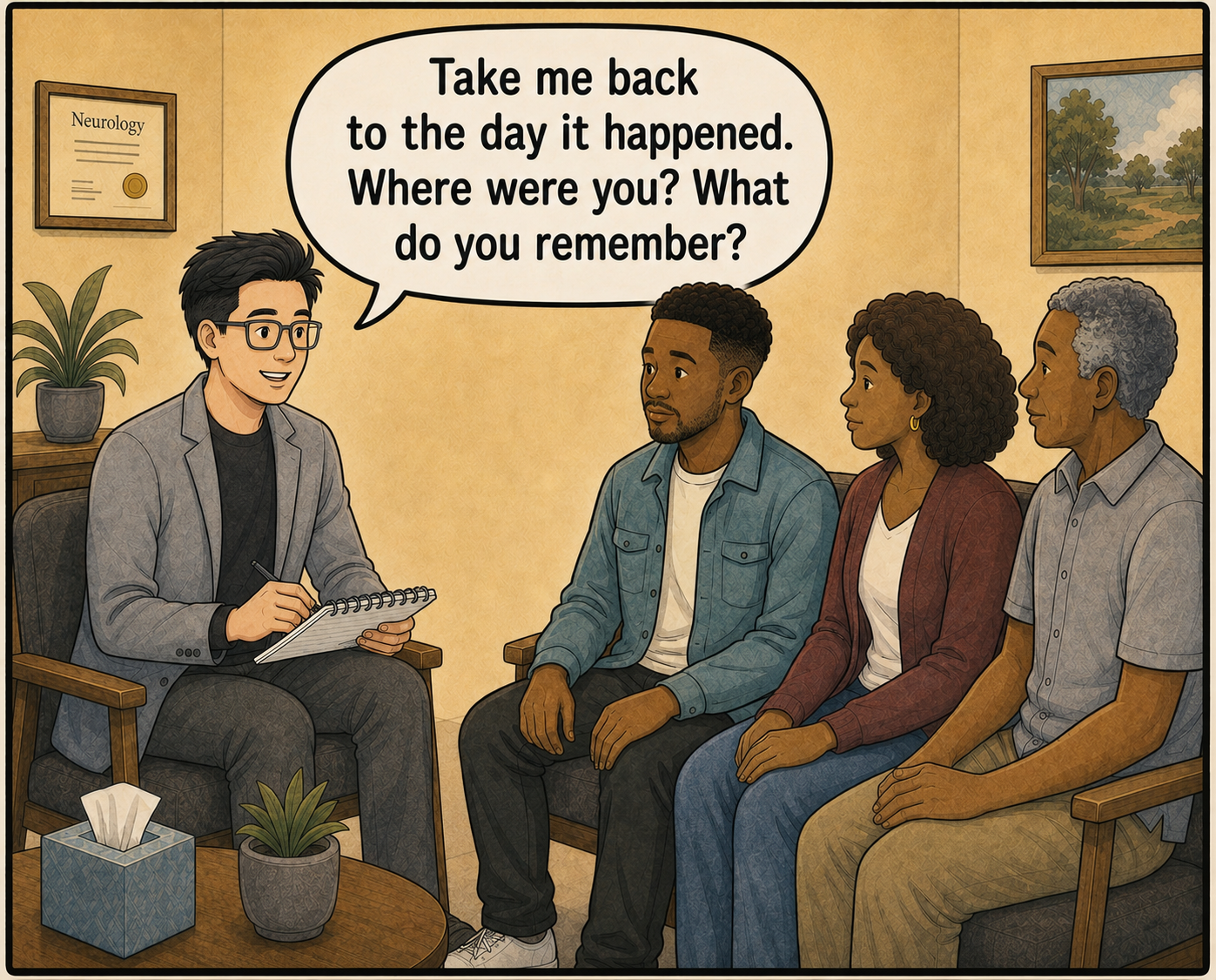
Dr. Rehim asks Marcus to describe what happened on the day of the seizure
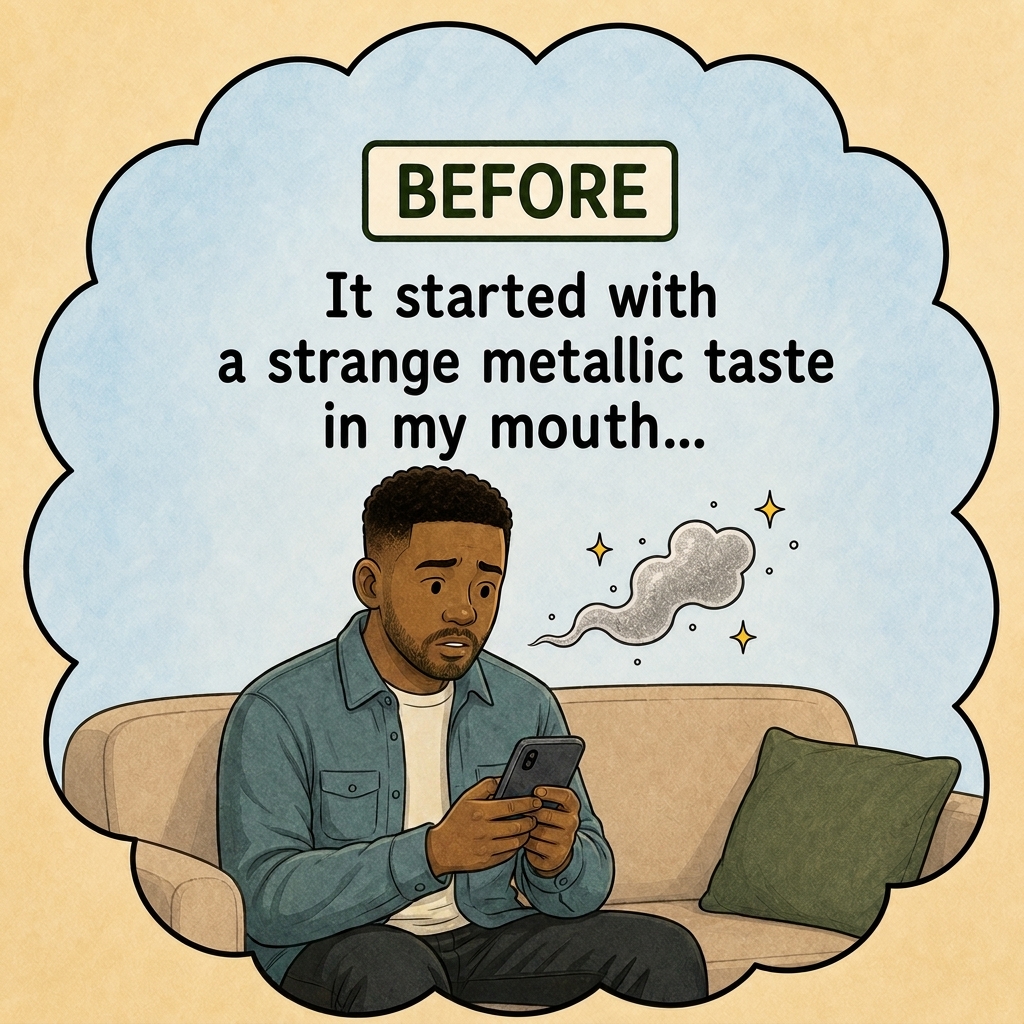
Before the seizure, Marcus notices a strange metallic taste
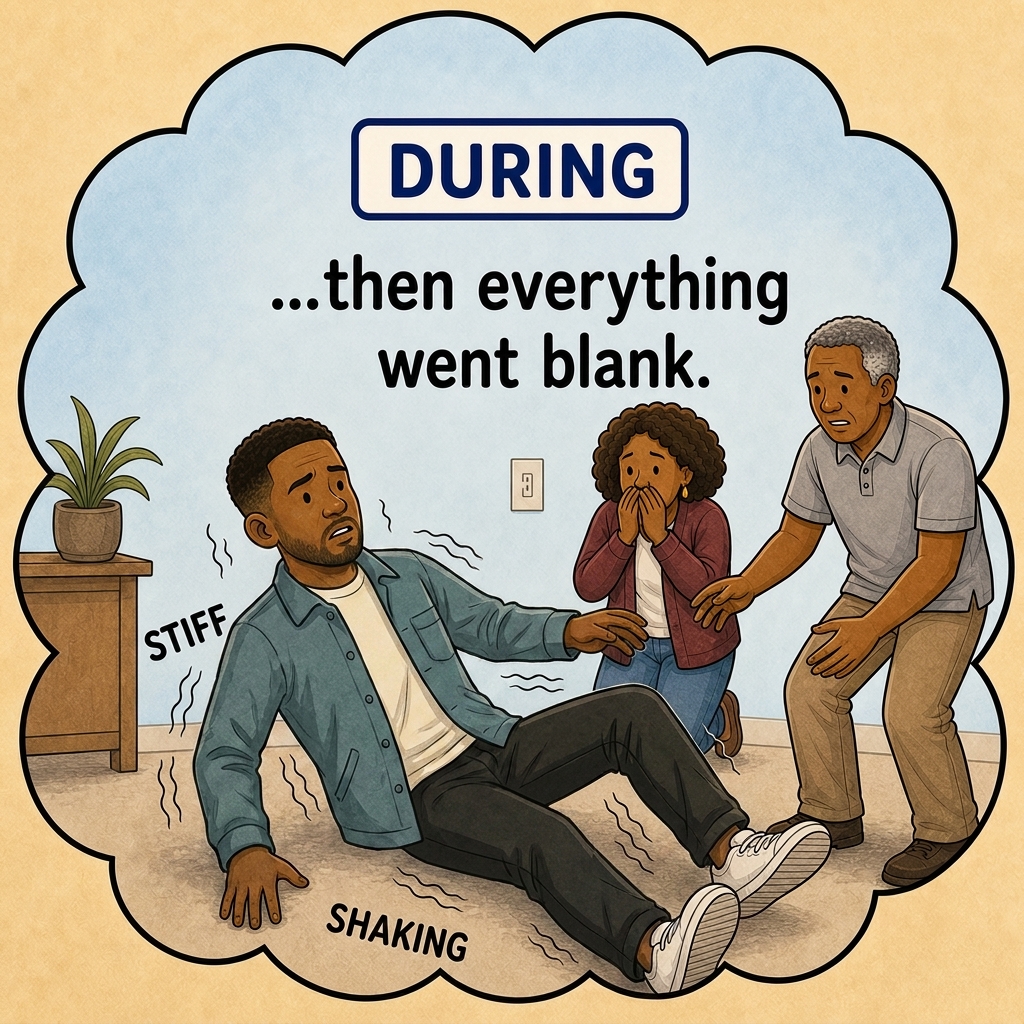
During the seizure, Marcus loses awareness while his parents see him stiffen and shake
After the seizure, Marcus is confused while his parents help him recover
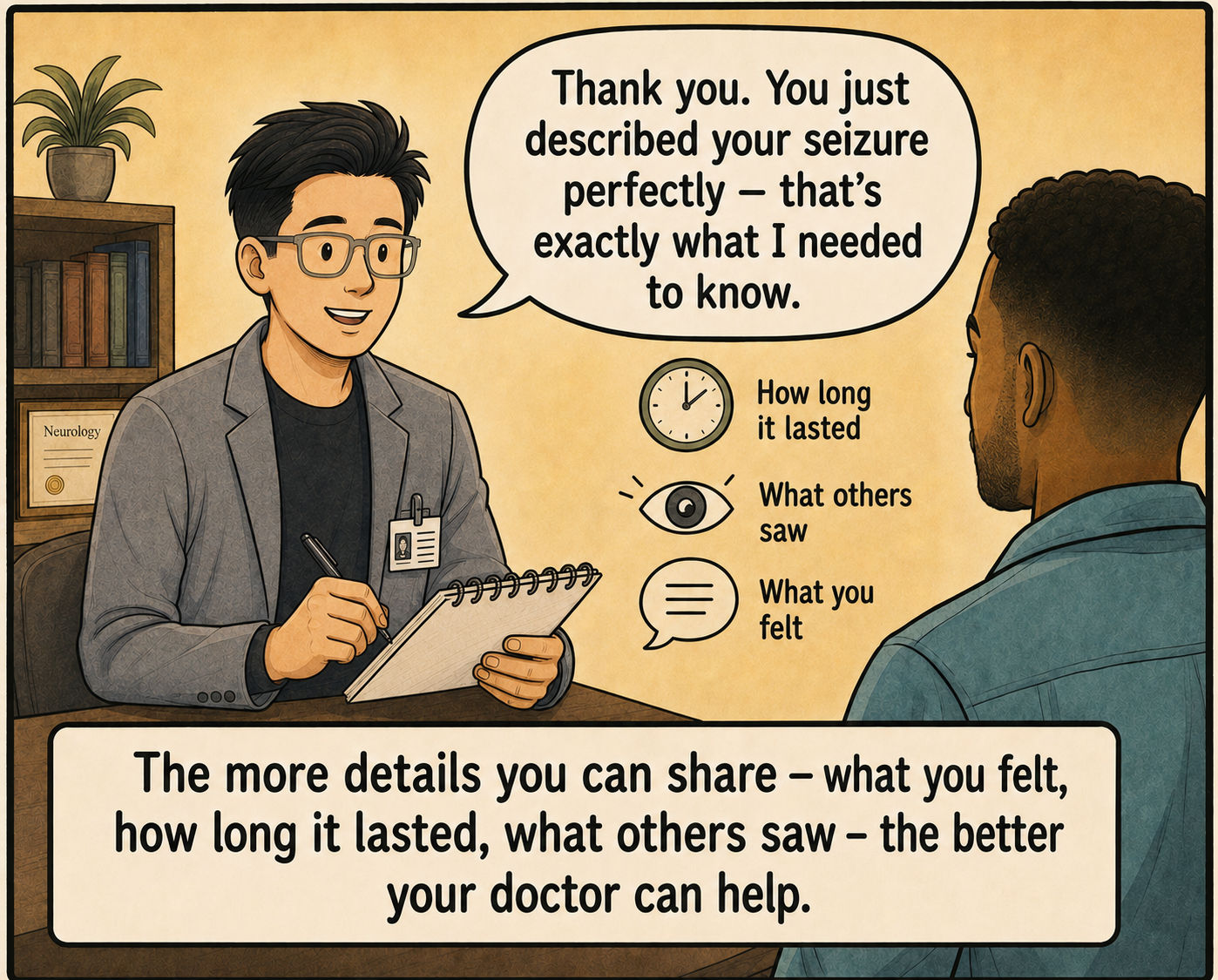
Dr. Rehim reassures Marcus that his seizure description gave helpful details
06 / The Full Story

The full story helps

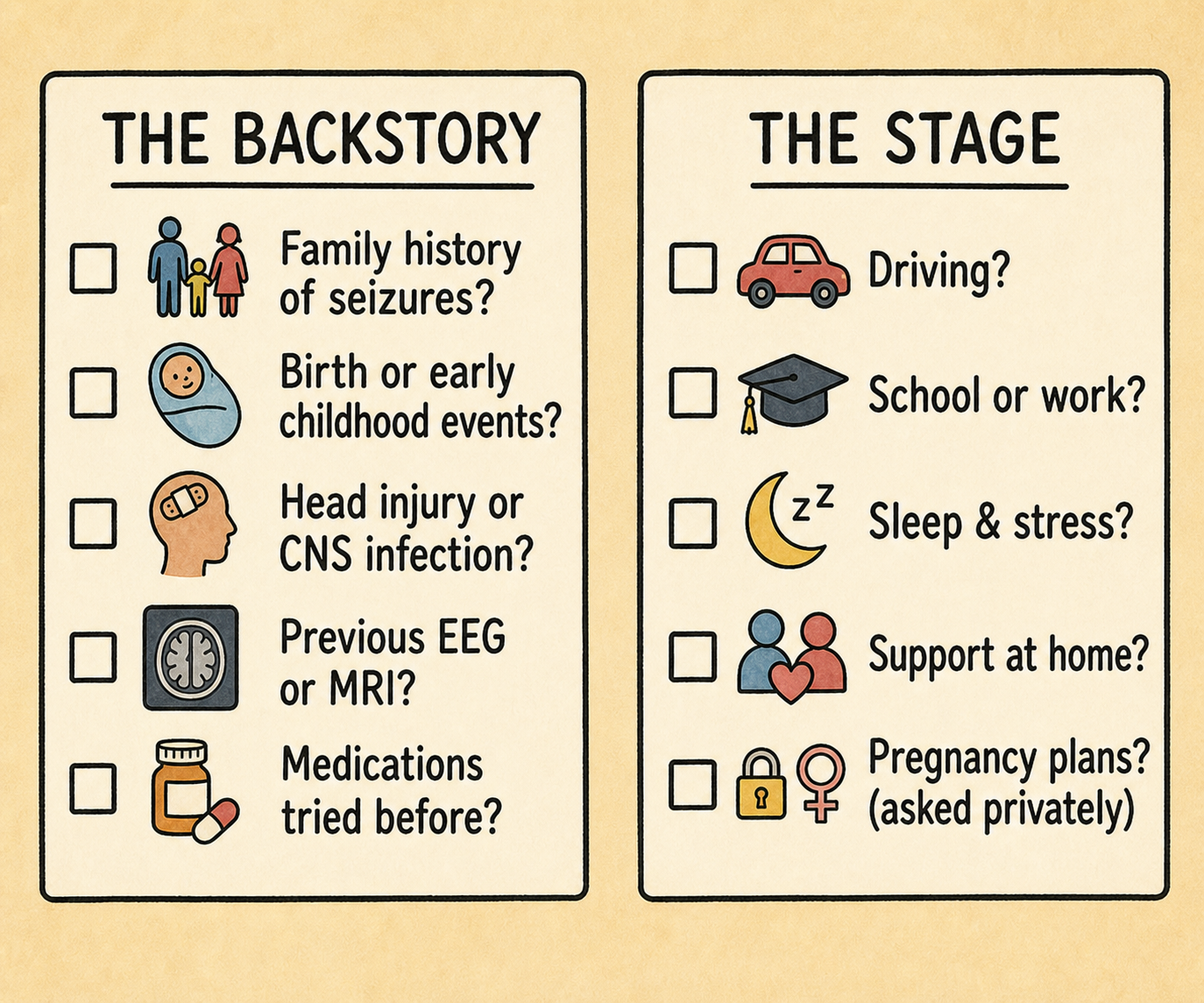
Your doctor is piecing together more than one moment. The event itself, the history around it, and your daily life and support system can all help explain what happened.
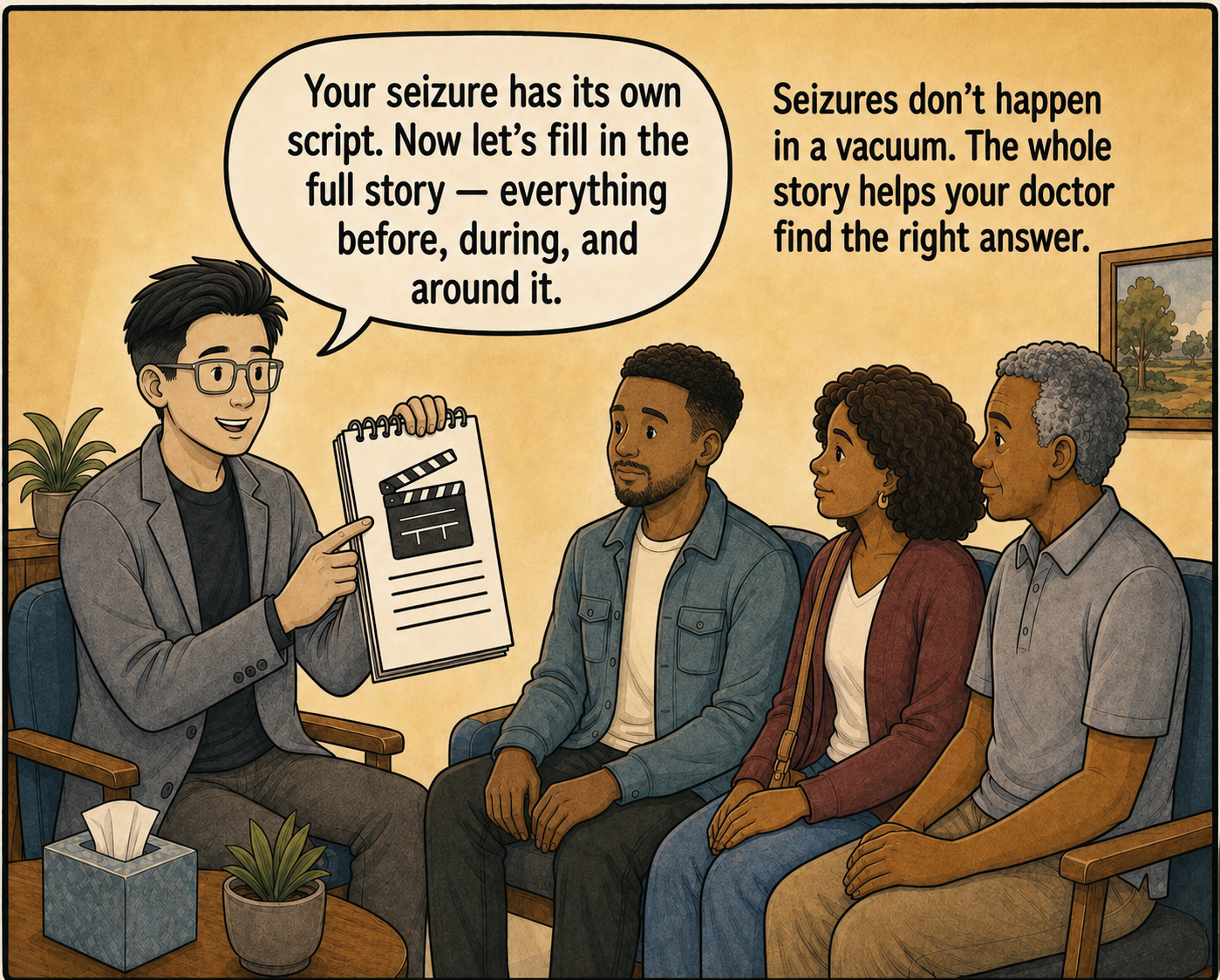
Dr. Rehim explains that the seizure has its own script and the full story helps find the right answer
Two checklist cards showing backstory and daily life stage details that can affect seizure care
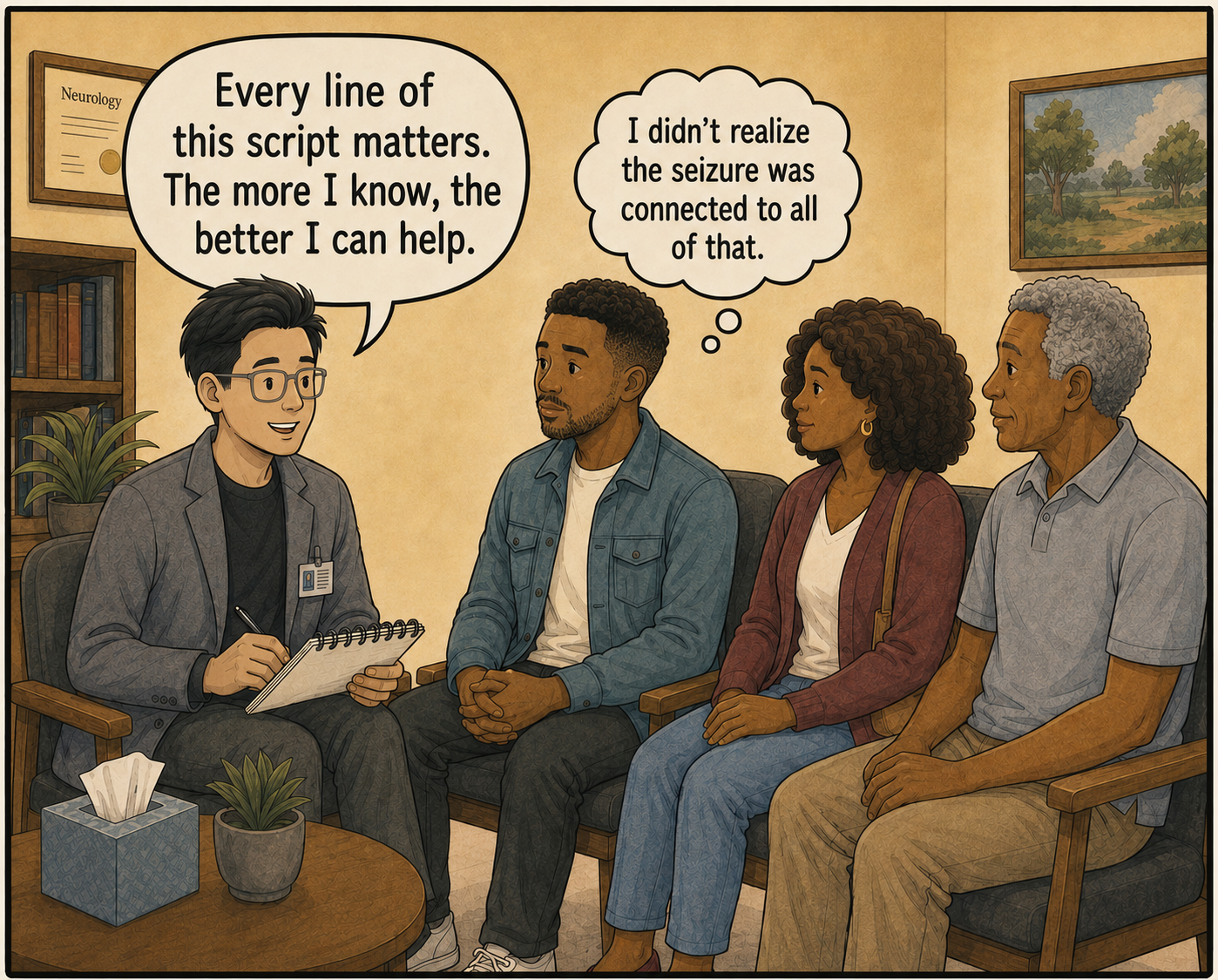
Dr. Rehim explains that every line of the seizure script matters while Marcus realizes the seizure connects to broader details
07 / Understanding Epilepsy

One seizure does not automatically mean epilepsy

A seizure is a sudden burst of electrical activity in the brain. Having one seizure does not automatically mean epilepsy. This visit is about understanding what happened and what still needs to be checked next.
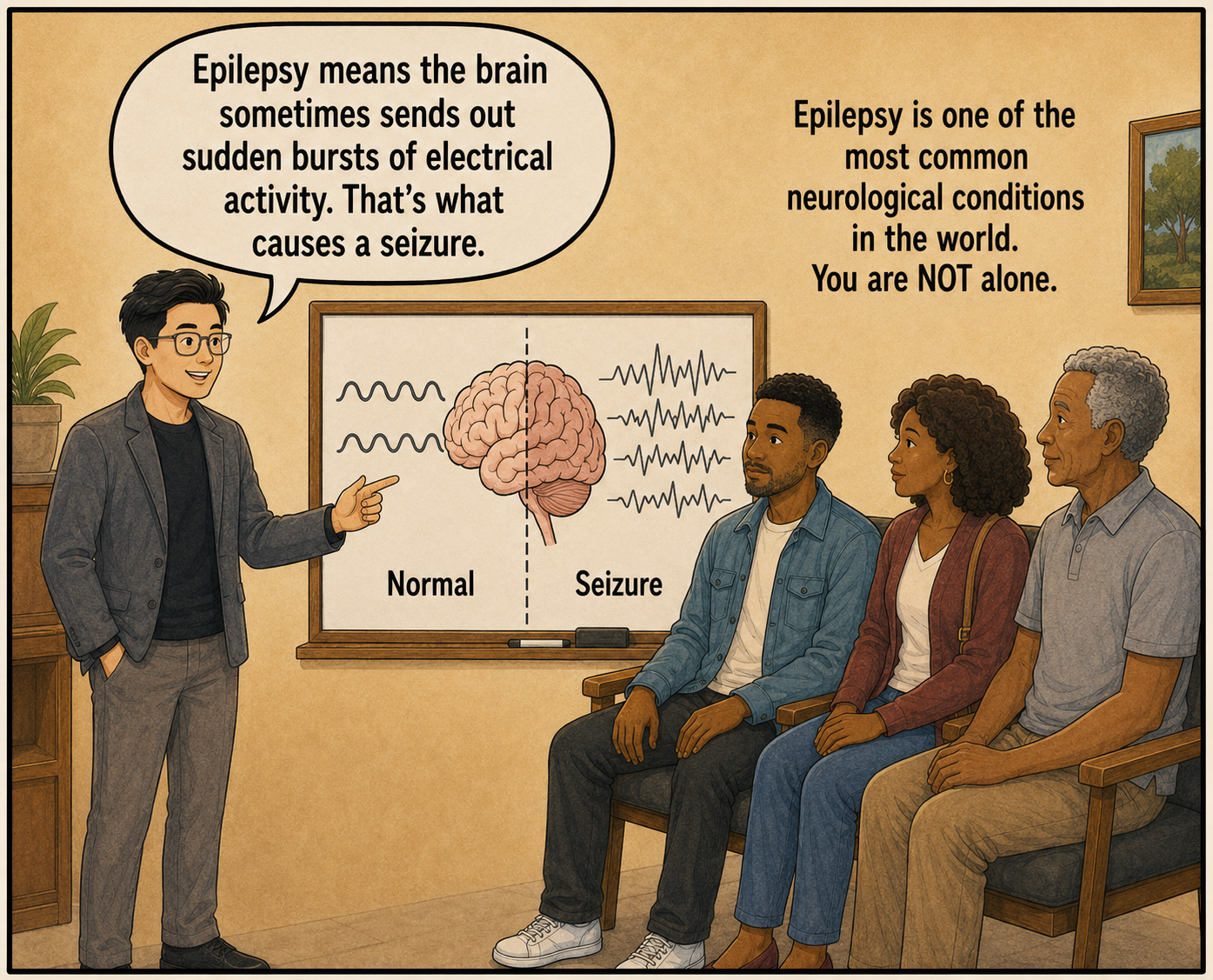
Dr. Rehim explains epilepsy using a whiteboard with a brain and normal versus seizure electrical activity
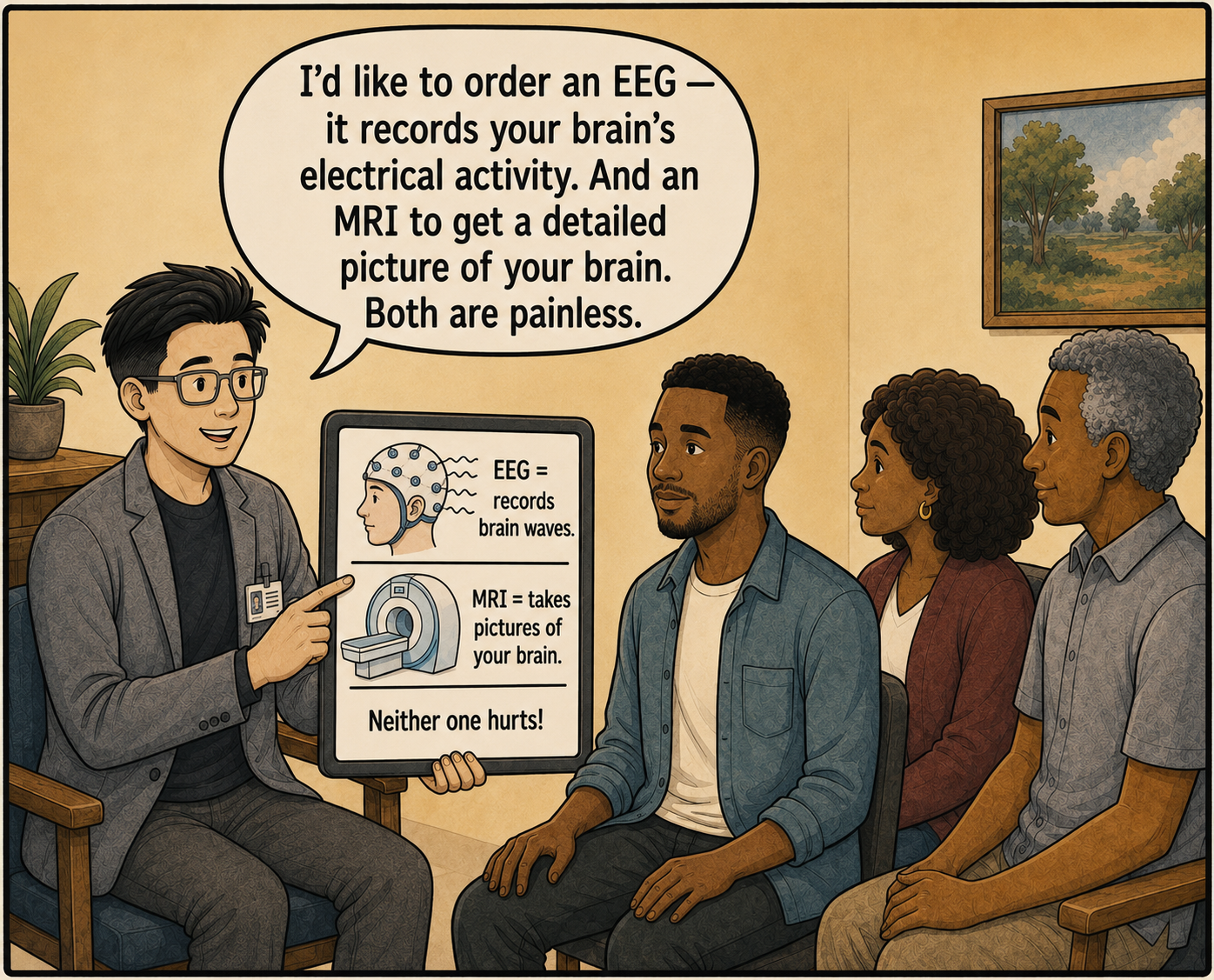
Dr. Rehim explains EEG and MRI tests with simple drawings on a tablet
Not familiar with EEG? Tap for a quick explanation.
Illustration of an EEG cap with small sensors on the scalp

EEG stands for electroencephalogram.

Small sensors on the scalp record the brain's electrical activity. It is safe and painless, and it can help look for seizure-like patterns.

Not familiar with MRI? Tap for a quick explanation.
Illustration of a brain MRI scanner

MRI stands for magnetic resonance imaging.

It uses a strong magnet and radio waves to make detailed pictures of the brain. These pictures can help doctors look for structural changes.
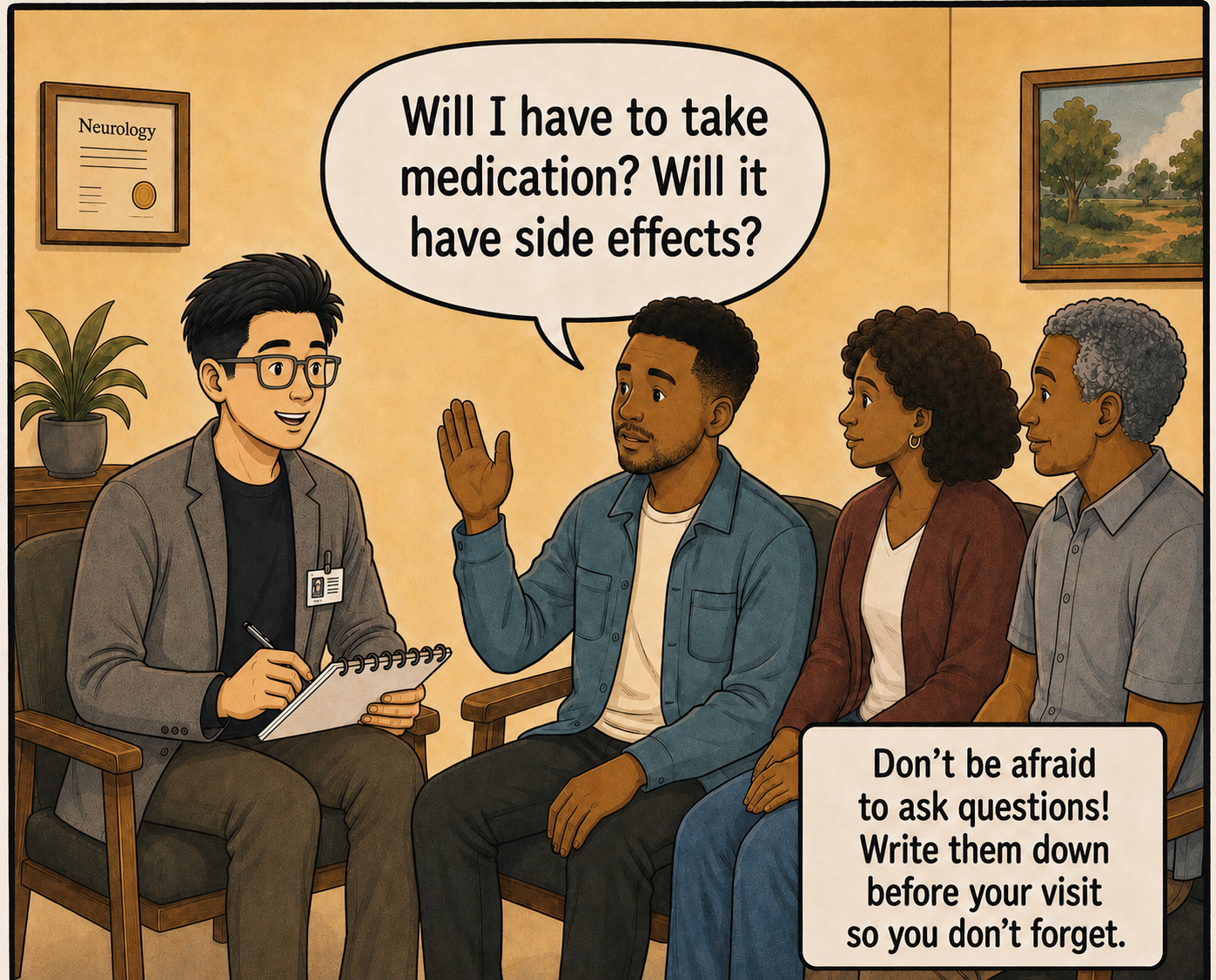
Marcus asks whether he will need medication and whether it will have side effects
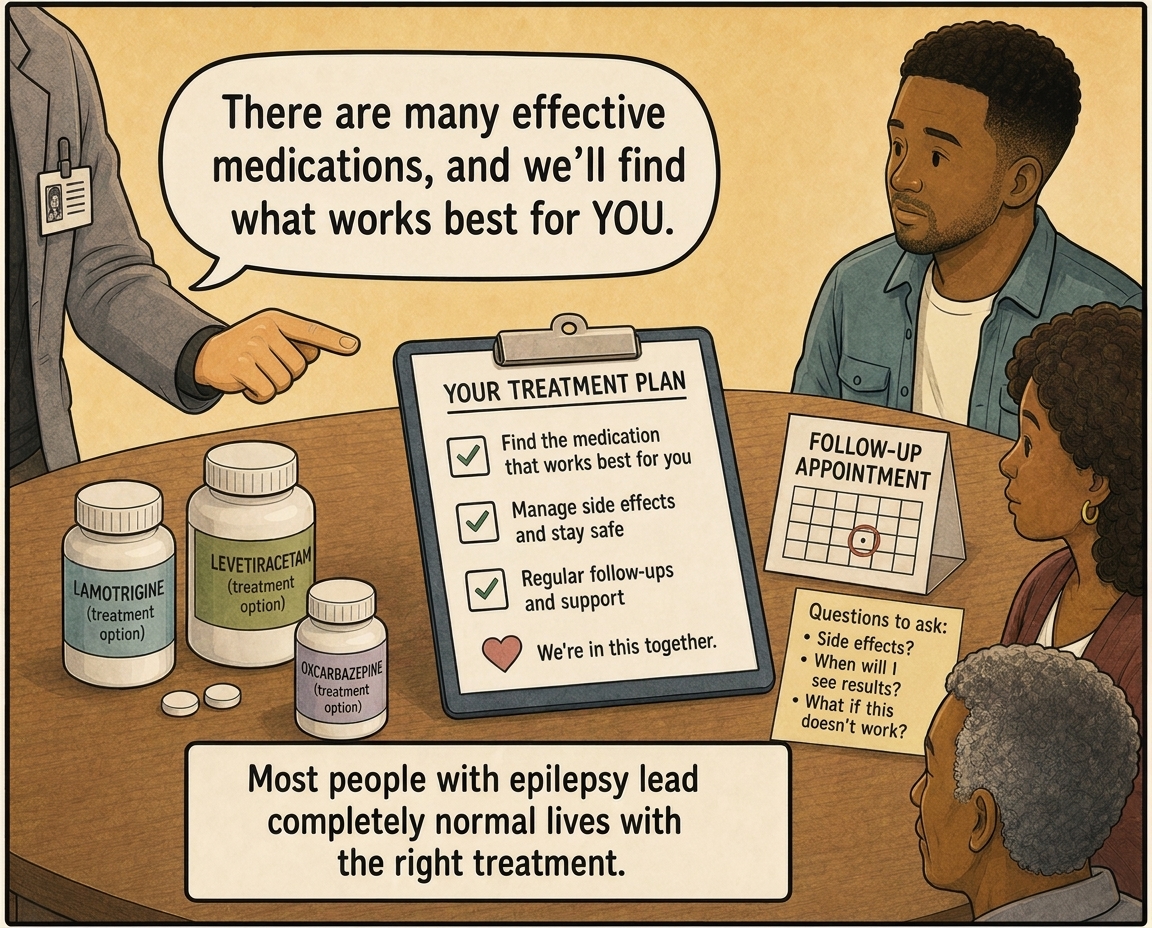
A treatment plan on a table shows medication options, follow-up, questions, and reassurance
Bring Your Questions

Don't be afraid to ask.

  • Can I drive?
  • What should I do if this happens again?
  • Do I need testing right away?
  • When should I call the clinic?
  • What should my family watch for?
Write your questions down before the visit so you don't forget.
08 / Before You Leave

A team, a plan, a path forward
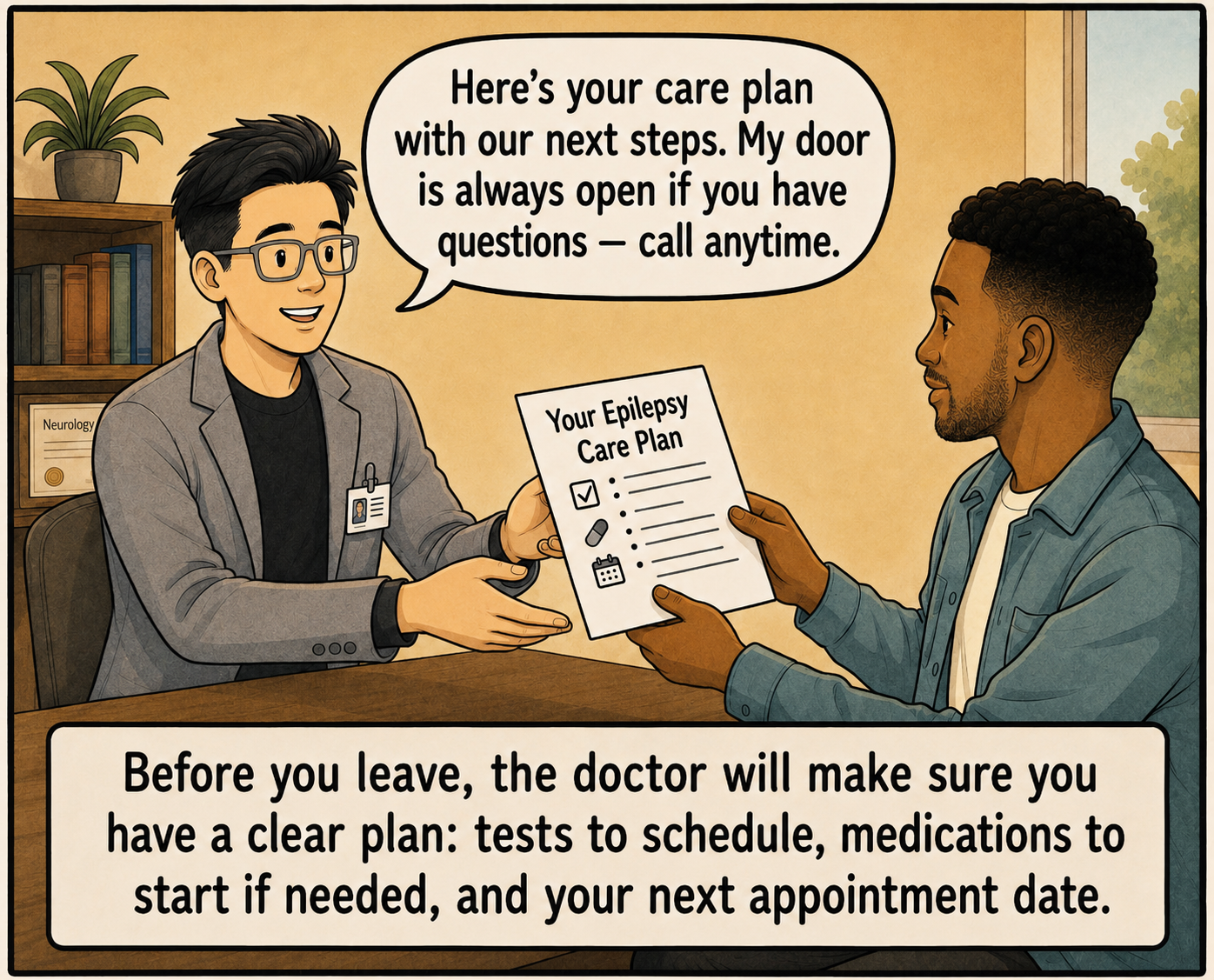
Dr. Rehim gives Marcus his epilepsy care plan with next steps before leaving the visit
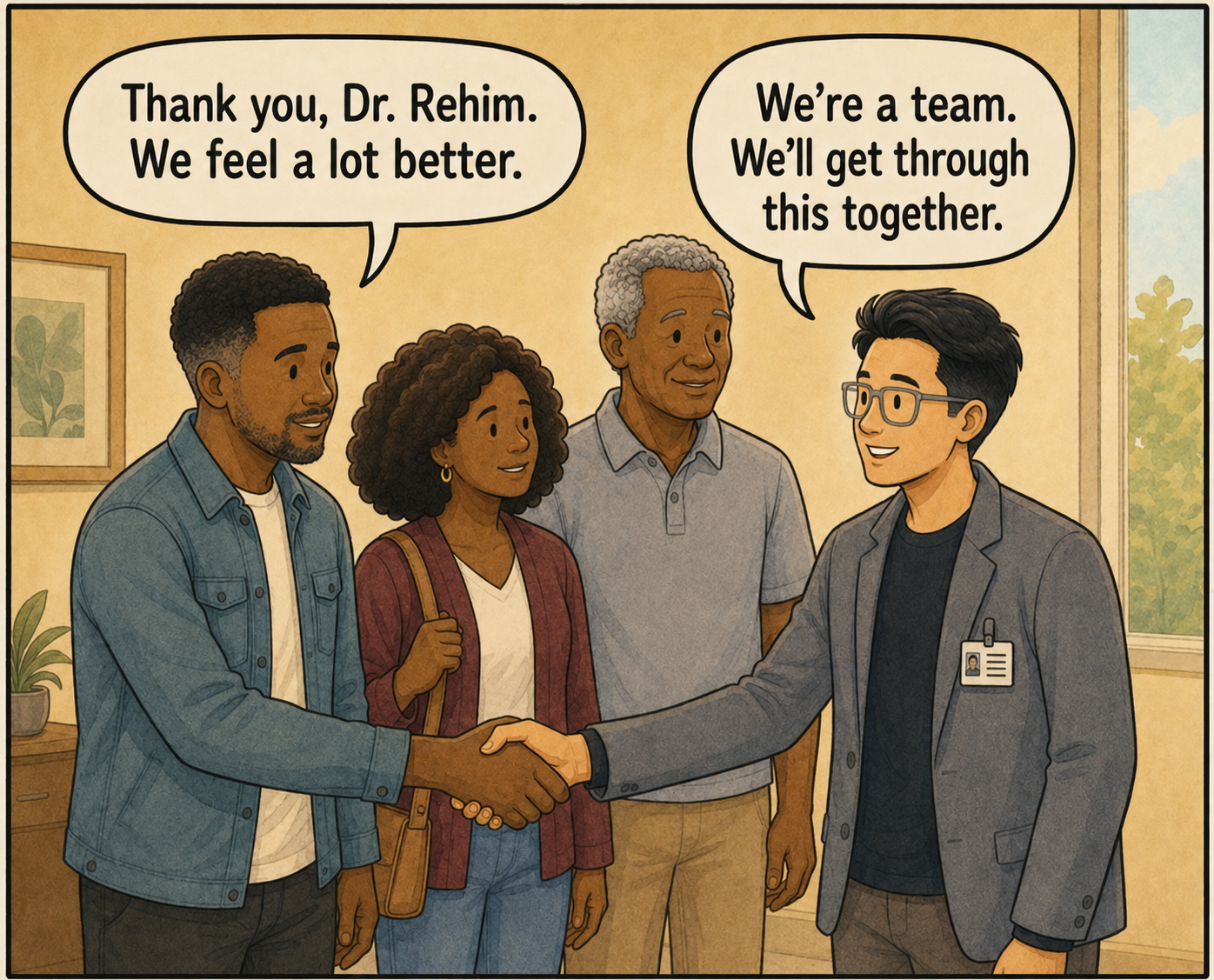
Marcus's father shakes hands with Dr. Rehim as the family feels reassured
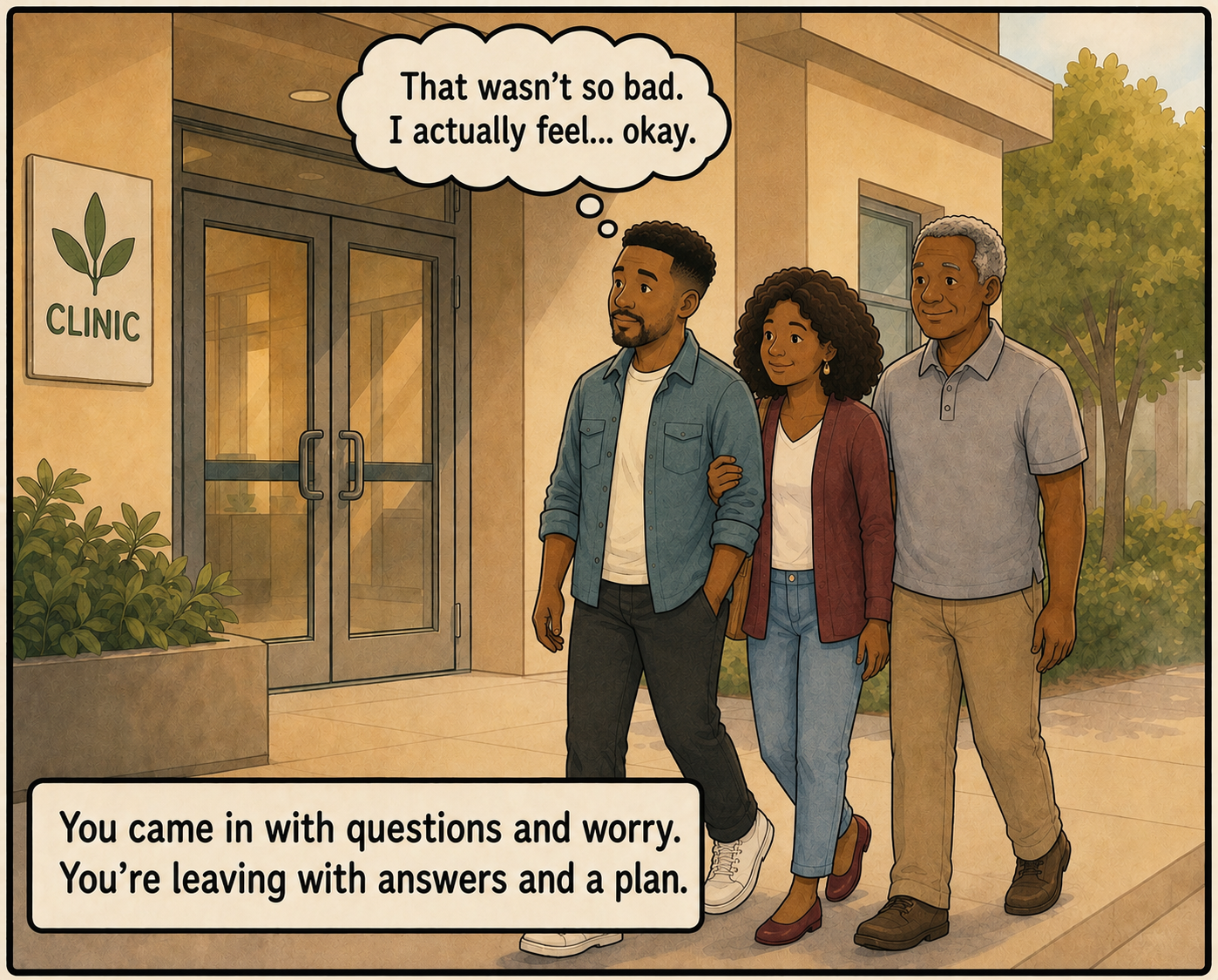
Marcus and his parents leave the clinic feeling calmer with answers and a plan
Marcus, his family, and Dr. Rehim face the reader with a closing message about not walking the epilepsy journey alone